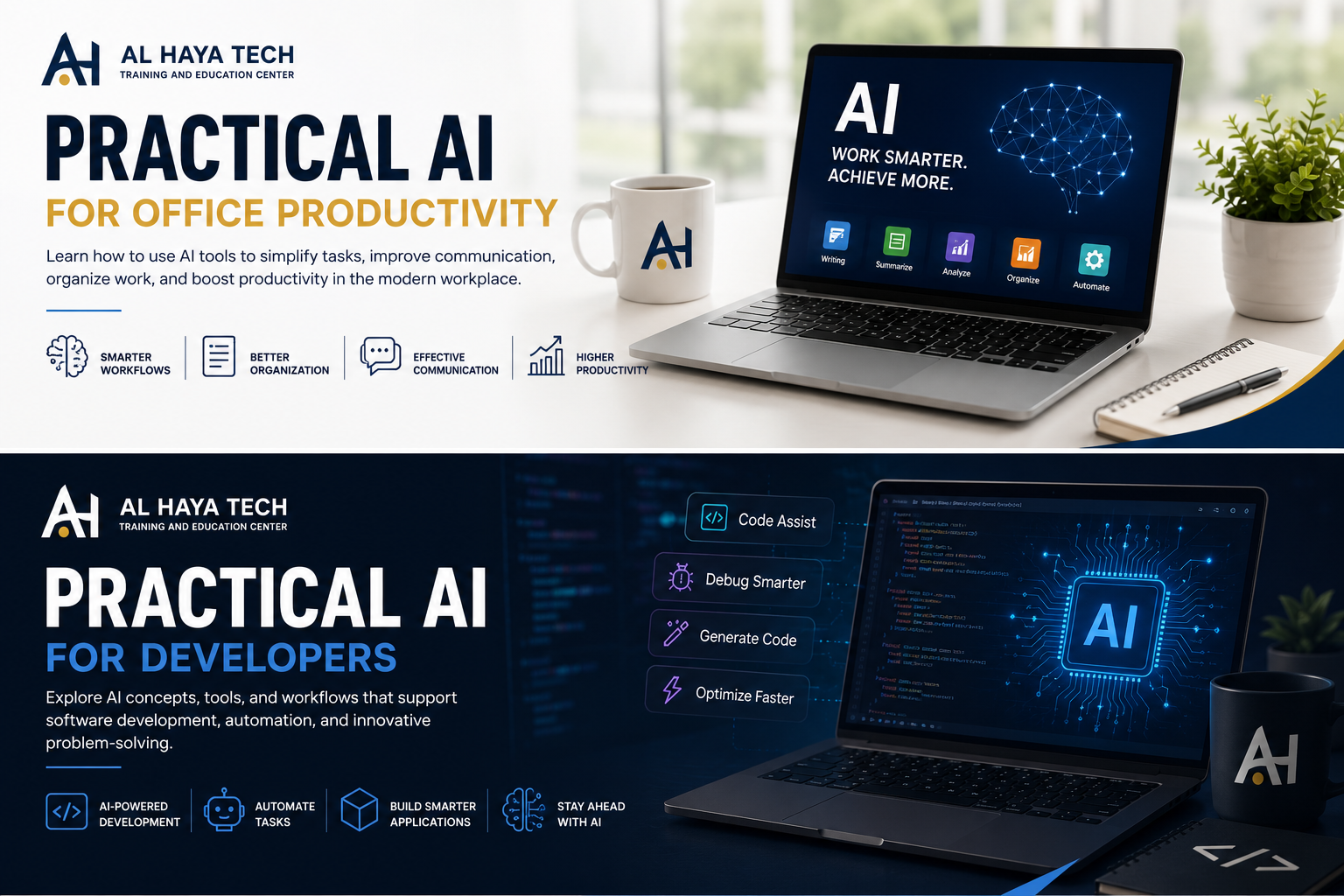
Artificial Intelligence is rapidly becoming an important part of modern workplaces. From communication and organization to research and content creation, AI tools are helping professionals work more efficiently and manage tasks more effectively in today’s fast-paced environment.
Learning how to use AI is no longer limited to technology specialists or developers. Professionals from different industries can now benefit from practical AI tools that support everyday work activities and improve overall productivity.
One of the biggest advantages of AI is its ability to help automate repetitive and time-consuming tasks. Activities such as drafting emails, organizing information, summarizing documents, generating reports, and managing schedules can now be completed faster with the support of AI-powered tools. This allows professionals to focus more on decision-making, creativity, collaboration, and higher-value responsibilities.
AI can also help improve communication and workflow efficiency. Modern AI tools can assist with brainstorming ideas, creating presentations, improving writing quality, and simplifying complex information. For many workplaces, this means better organization, faster turnaround times, and more productive teams.
As technology continues to evolve, understanding AI is becoming an increasingly valuable skill in the professional world. Organizations are adapting to digital transformation, and professionals who are familiar with modern tools and workflows are better prepared to stay competitive and adaptable in changing industries.
At Al Haya Tech, we believe practical AI education should be accessible, beginner-friendly, and focused on real-world application. Our learning programs are designed to help individuals understand how AI can support productivity, efficiency, and continuous professional growth.
Learning AI does not mean replacing human skills — it means enhancing them. By understanding how to use AI responsibly and effectively, professionals can work smarter, improve productivity, and prepare for the future of work.
Leave a Reply